Battery-powered backup systems are becoming the preferred choice for safeguarding essential equipment in healthcare environments. They’re not only straightforward to install but also exceptionally user-friendly. These systems deliver power instantly once an outage occurs, and improvements in design and production have made them more affordable than ever.
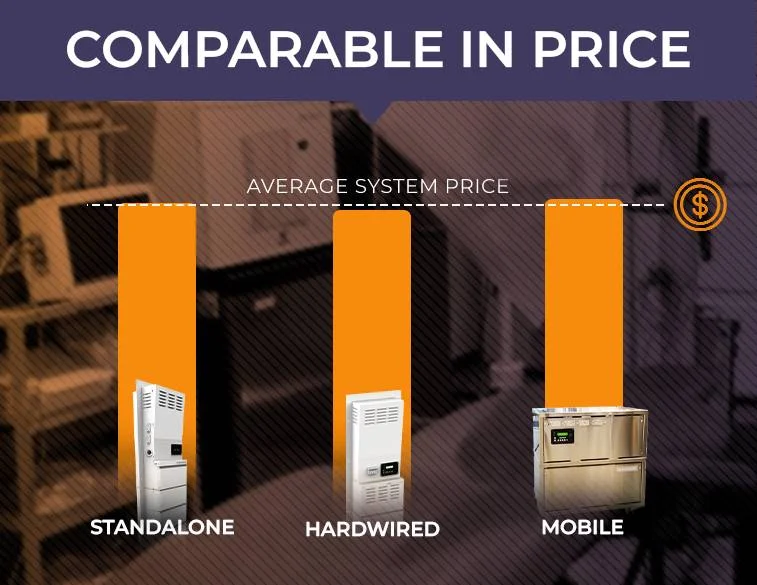
Typically, EverSafe battery backup systems are priced between $1,600 and $18,000. This pricing variation is attributed to five primary cost-determining factors.
The Five Key Drivers of Battery Backup System Cost
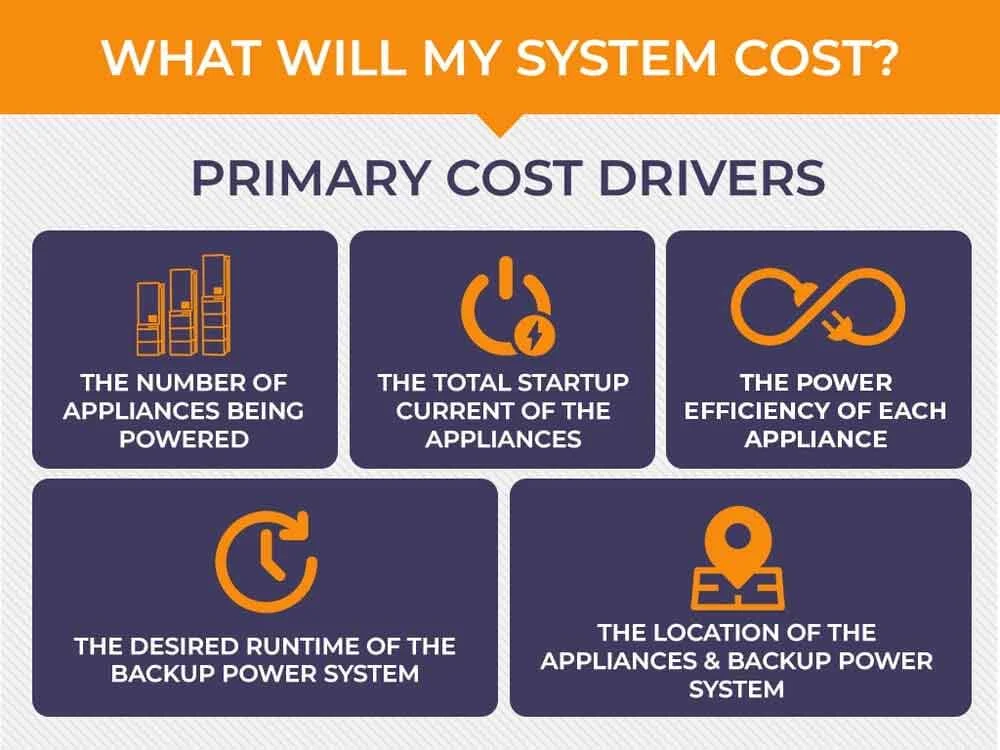
- The number of devices needing power
- The initial surge current required by those devices
- The energy efficiency of each device
- The intended duration of backup power run time
- The placement of both the devices and the backup system
Discover how these five cost factors affect the final cost of your system by reading here
Ensuring the Right Solution for Your Needs
A battery backup system represents a significant investment, and some may initially consider lower-cost alternatives—like UPS units from big-box or home improvement stores. However, consumer-grade UPS units are typically designed for PCs and phones and lack the capability to power demanding medical apparatus such as refrigerators or surgical tables.
Others may assume they need a large, fuel-based generator to power a few vital devices, which often leads to unnecessary spending and hidden costs associated with fuel-powered systems.
EverSafe provides customized battery backup solutions designed to deliver exactly the required backup capacity your critical equipment needs. Our modular, adaptable cabinets fit nearly any space and are easy to deploy, ensuring that you’re paying only for the power you actually need.
Affordability of Emergency Backup Power
Though battery backup systems might seem costlier upfront compared to the appliances they support, it’s important to remember their real function—protecting the contents of the equipment rather than the equipment itself.
- In labs, clinics, and health centers, this often means safeguarding expensive vaccines, pharmaceuticals, or biomedical samples in cold storage.
- In ambulatory surgery or outpatient centers, uninterrupted power is vital for patient safety during normal operations.
In either case, the financial impact of a power failure far outweighs the cost of a battery backup solution.