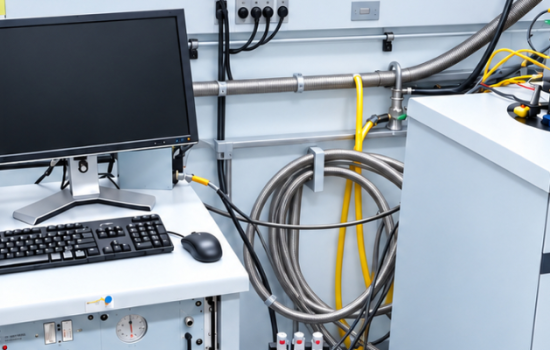
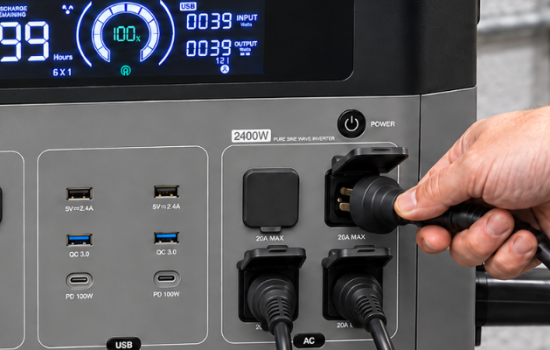
The Number of Appliances Being Powered
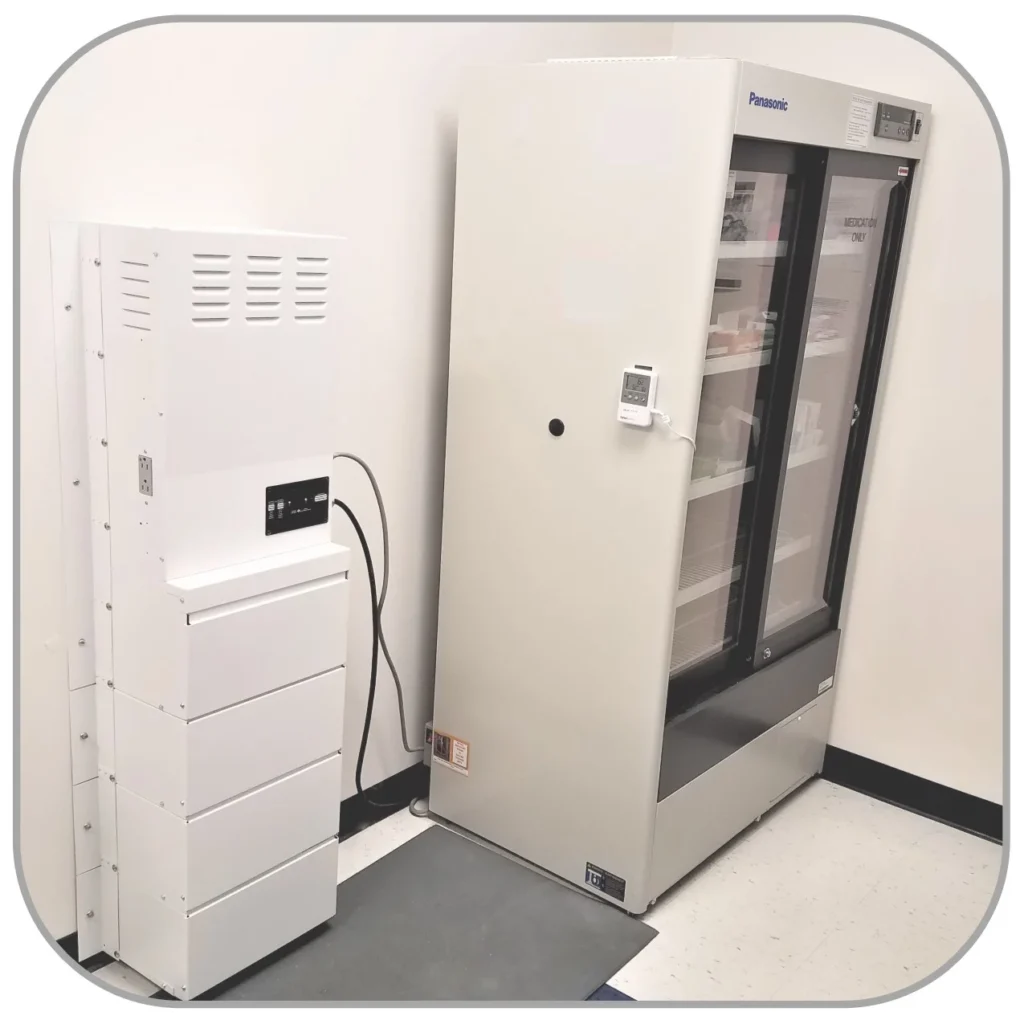
Battery backup systems are built from several vital components, with the inverter and batteries being the most important in determining power delivery and duration.
Think of it like a car:
- Batteries are like the gas tank—they store the energy until needed.
- The inverter acts as the engine—it converts that stored energy into usable power for your appliances.
Just as a fuel tank has limited capacity and a car can only go so far, batteries have a finite energy supply before needing to recharge, and inverters have a maximum power capacity, typically measured in watts or kilowatts. As you add more appliances, the inverter nears its limit, and the batteries drain faster. This can result in insufficient power for appliances if the inverter isn’t sized to handle the load.
Supporting additional equipment may require a larger inverter and more batteries—both of which increase the system cost.
Note: EverSafe systems offer up to eight AC outlets, but that doesn’t necessarily correlate with how many appliances can be supported. For help in assessing your system’s load capacity, contact our technical support team.
Total Startup (In-Rush) Current
Larger appliances—especially medical-grade ones with motors or compressors—often require a brief but intense surge of power at start-up, known as “in-rush current” or “startup wattage.” This can be 3 to 6 times higher than their steady-state power consumption.
To accommodate this, battery backup systems include components like transformers to handle high power loads. Many consumer-grade UPS systems fail in this aspect—especially when powering medical refrigerators. That’s why appliances with higher start-up demands (e.g., ultra-low temperature freezers) are costlier to support than smaller loads such as patient monitors or under-counter refrigerators.
Runtime of the Backup Power System
You can choose how long you’d like your appliance to remain powered during an outage—whether that’s 15 minutes or several days. But batteries store energy—they don’t produce it. Just like needing more fuel to drive farther, longer backup runtimes require more battery capacity. And more batteries mean higher costs.
Appliance Efficiency
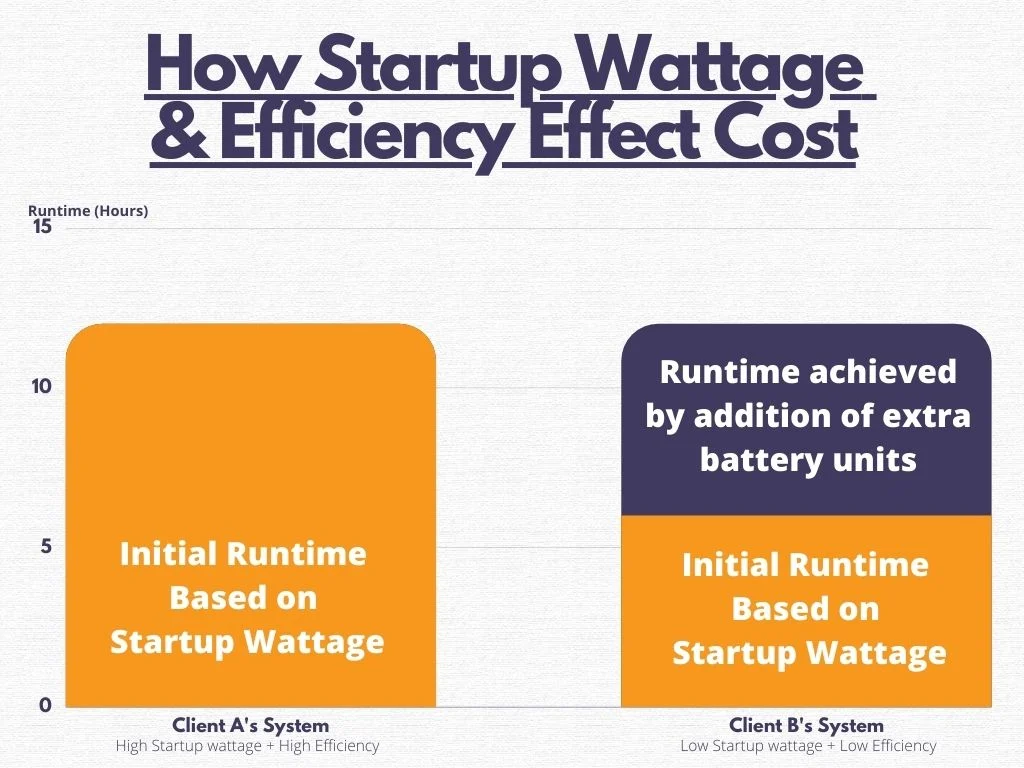
Efficiency measures how much power an appliance requires to perform its function. More efficient appliances can run longer on the same energy compared to less efficient ones.
Factors influencing efficiency include the appliance’s size, age, insulation, compressor size, and duty cycle (e.g., how often it turns on and off). Older or less efficient appliances demand more power for the same task, which increases the number of batteries required—and therefore the expense. (In some cases, it’s more cost-effective to upgrade to a new, efficient appliance that demands less backup power.)
You can typically find efficiency details on the appliance’s nameplate, in its manual, or online. If not, tools like voltmeters can measure energy usage. At EverSafe, we maintain a comprehensive database of power requirements for numerous medical devices—this enables us to design your backup system accurately and efficiently.
Location of the Appliances Being Supported
While the physical location of appliances doesn’t directly alter the cost of the backup system itself, it can affect overall project cost. For instance, if your system must be hardwired—because there’s no space near appliances or they are spread across different areas—an electrician will need to run wiring. The cost of such wiring varies depending on the building layout and labor rates. If the electrical panel is far from the appliances, wiring costs may rise, pushing up the total project expense.
The Cost of Not Having Adequate Backup Power in a Medical Facility
Performing critical procedures—like surgeries—without reliable backup power could lead to temporary closure, loss of certifications, or even patient safety risks.
Just one power disruption—from a storm, surge, or human error—could place tens of thousands of dollars (or even $100,000+) worth of vaccines, medications, or laboratory samples at risk. One client, for example, called after suffering $70,000 worth of losses in one night due to a power failure without proper backup.
In many cases, a battery backup system pays for itself the first time it’s needed.
How to Order an EverSafe Battery Backup System
Every EverSafe unit is custom-built to match power requirements and form-factor needs. The most efficient way to determine your ideal solution is to contact EverSafe directly.
To speak with our product experts, engineers, or sales team for assistance with system quotes—or to explore additional features like integrated alarm systems:
Phone: 1.800.765.3237
Hours: Monday–Friday, 8:30 a.m. to 5:00 p.m. (EST)