Artificial intelligence is contributing to a sharp increase in electricity demand as utilities plan for the rapid expansion of data centers. Behind every AI application are data centers filled with high-performance computing equipment that require enormous power around the clock – and regulators are now treating that growth as a distinct power reliability risk.
That risk became concrete this year. The North American Electric Reliability Corporation (NERC) issued its highest-urgency Level 3 Alert in May 2026 after documenting a new category of grid disturbance: Some AI data centers are now large enough that when their onsite protective equipment trips offline during a routine grid fault, they can pull more than a gigawatt of demand off the system in milliseconds. Operators face an August 3, 2026 deadline to report how they’re addressing this issue, a timeline worth noting for any organization that depends on continuous power.
The Rise of AI Creates New Reliability Challenges
Goldman Sachs Research forecasts that US data center power demand will more than double in two years – from 31 gigawatts in 2025 to 66 gigawatts by 2027, pushing data centers’ share of peak summer demand from 4.1% to 8.5%. NERC’s 2025 Long-Term Reliability Assessment predicts that summer peak demand will grow 224 gigawatts over the next decade – the highest growth rate NERC has recorded since it began tracking data in 1995, driven mostly by new data centers.
A New Kind of Grid Event
NERC’s 2026 State of Reliability report documented a February 2025 transmission fault that caused 1,800 megawatts of data center demand to disconnect simultaneously – not because equipment failed, but because the facilities’ own backup power systems sensed the disturbance and did exactly what they were built to do. For every other facility sharing that grid, the takeaway is simple: a system already running with less margin is now also more exposed to sudden disturbances triggered elsewhere on the network – reinforced by PJM’s new peak demand record during a prolonged heat wave in July of 2026.
Why It Matters for Critical Operations
Many industries have little tolerance for even brief power interruptions. Manufacturing facilities can experience production downtime. Communications infrastructure may lose connectivity. Data centers risk service interruptions, while water and wastewater facilities rely on continuous power to support essential public services. Utilities continue to maintain high reliability, but organizations should not assume past performance guarantees future resilience. With margins tightening, evaluating backup power is becoming a more urgent part of operational planning.
The Role of Battery Backup
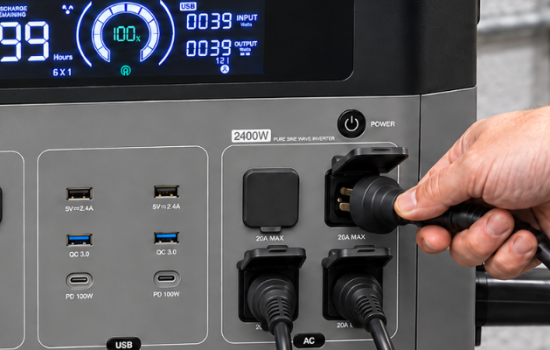
Battery backup systems provide immediate power when utility service is interrupted, helping critical equipment continue operating without the startup delay associated with engine generators. Depending on the application, battery backup can maintain operations until utility power returns or bridge the gap while a generator assumes the load. Selecting the right system requires evaluating connected load, required runtime, surge demand, transfer characteristics, and the behavior of the equipment being protected – ensuring critical systems stay operational whether the outage stems from severe weather, equipment failure, or broader grid instability.
Preparing for an Evolving Grid as Dependency on AI Increases
AI will keep driving innovation, but it’s also reshaping how reliably electricity can be delivered across North America. As regulators and data center operators work through NERC’s Level 3 Alert in the months ahead, every other organization sharing that grid carries the same exposure to its growing pains.
EverSafe Power designs application-specific battery backup systems that help organizations maintain critical operations during utility outages. As electricity demand continues to rise, a properly engineered backup power solution can help facilities prepare for the evolving demands on the electric grid. Contact an EverSafe team member today for a free assessment of your facility’s backup power needs.