When someone dials 9-1-1, they expect their call to be answered immediately. Behind every emergency call is a Public Safety Answering Point (PSAP), or 9-1-1 dispatch center, where dispatchers coordinate police, fire, and emergency medical response. These centers operate 24 hours a day, 365 days a year, and even a brief power interruption can affect the ability to receive calls, communicate with first responders, and dispatch emergency services. Because emergencies do not stop during a utility outage, reliable backup power is a critical component of every dispatch center’s infrastructure.
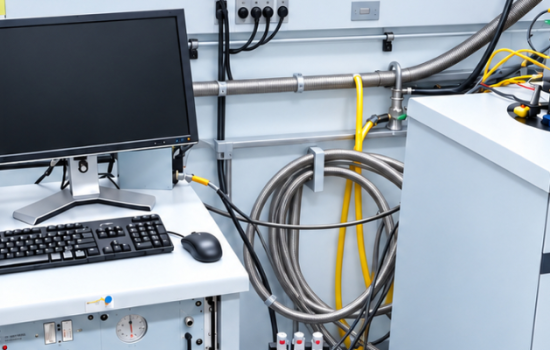
A modern 9-1-1 dispatch center depends on a wide range of communications technology. Telephone systems, computer-aided dispatch (CAD) software, radio networks, mapping platforms, recording equipment, and network infrastructure all work together to help dispatchers process calls and coordinate emergency response. If any of these systems lose power, response efforts can be delayed at the moment rapid communication is needed most.
Supporting Uninterrupted Communications with Uninterrupted Power
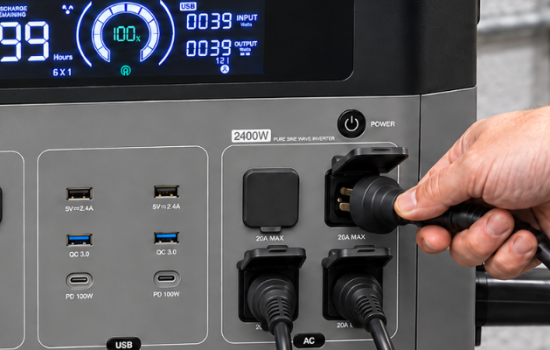
Battery backup systems provide immediate, uninterrupted power the instant utility service is lost. This seamless transition allows critical communications equipment to remain operational while a standby generator comes online or until utility service is restored. By eliminating even brief interruptions, battery backup helps dispatchers remain connected to callers, field personnel, and neighboring agencies throughout the outage.
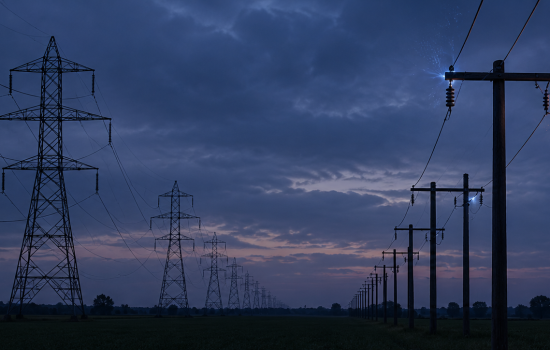
Reliable communications are particularly important during severe weather events, when emergency call volumes often increase while the electrical grid is under its greatest strain. Hurricanes, tornadoes, winter storms, and wildfires can all produce widespread outages that generate a surge in emergency calls. Maintaining continuous operation during these events allows dispatch centers to coordinate resources, communicate with responding agencies, and provide uninterrupted service to the public.
While battery backup systems are often paired with standby generators, they can also serve as the primary emergency power source in applications where a generator is impractical or prohibited. Some dispatch centers operate in urban environments where local ordinances restrict generator installation due to noise, emissions, or fuel storage requirements. Others may face space limitations, permitting challenges, environmental concerns, or budget constraints that make a generator difficult to implement. When properly engineered to meet the facility’s power demands and required runtime, a battery backup system can provide a reliable, generator-free solution that maintains continuous operation without the maintenance, fuel management, or emissions associated with engine-driven systems.
Reliable Battery Backup is Not One-Size-Fits-All for 9-1-1 Dispatch Centers
Selecting a battery backup system for a 9-1-1 dispatch center requires careful evaluation of the facility’s communications equipment and operational requirements. Engineers should consider the critical loads that must remain energized, the required runtime, surge characteristics, transfer requirements, and plans for future technology upgrades. A properly engineered solution helps ensure the backup system supports the dispatch center’s unique operational needs rather than providing a one-size-fits-all approach.
As emergency communications technology continues to evolve, and grid strain increases, the need for resilient power infrastructure will only become more important. Every component of a dispatch center’s communications system depends on reliable electrical power, and maintaining that power helps ensure emergency responders receive critical information without interruption.
EverSafe Power designs application-specific battery backup systems that support mission-critical communications during utility outages. By providing immediate backup power for 9-1-1 dispatch centers and other emergency communications facilities, EverSafe helps organizations maintain continuous operation when reliable communication matters most.