Selecting the ideal backup power solution for your facility involves evaluating various options to meet your specific needs, whether they pertain to financial considerations, operational efficiency, safety, or patient care objectives. The most prevalent backup power systems include:
- Gas-Powered and Diesel-Powered Generators: These systems provide substantial power output and have a relatively low initial investment.
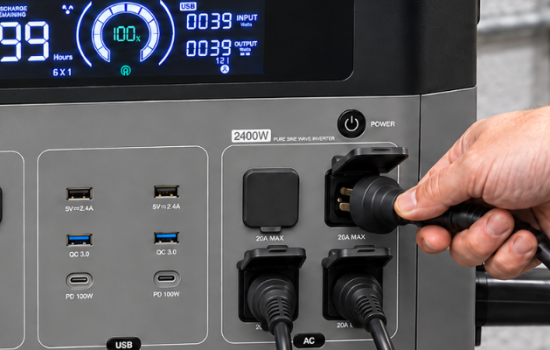
- Battery Backup Systems: An increasingly popular choice, offering numerous advantages.
- Consumer-Grade Uninterruptible Power Supply (UPS) Systems: Commonly available at retail stores, these units offer backup power for computers and other essential systems.
This section aims to provide a clear comparison of these options, focusing on key factors such as initial cost, recurring expenses, power delivery capabilities, and energy storage capacity, to assist you in selecting the most suitable solution for your facility.
Gas-Powered and Diesel-Powered Generators
Advantages:
- Low Initial Cost: Gas-powered generators typically have a lower upfront cost relative to the amount of power they can provide. However, it’s important to consider installation and permitting expenses, which can vary depending on location.
- High Power Output: These generators can deliver substantial power, often sufficient to support an entire healthcare facility, especially larger systems.
- Extended Power Supply: With an adequate fuel supply, gas generators can operate for extended periods, making them suitable for prolonged outages.
Disadvantages:
- High Recurring Costs: Operating gas generators involves ongoing expenses, including fuel costs and regular maintenance, which can be significant over time.
- Fuel Storage and Expiration: Fuel must be stored properly and replaced periodically, as it can degrade over time, especially during extended outages.
- Delayed Startup: There may be a delay of several minutes before the generator becomes operational, potentially leaving critical systems without power temporarily.
Battery Backup Systems
Advantages:
- Low Maintenance: Battery backup systems have fewer moving parts and do not rely on combustion, leading to reduced maintenance requirements and lower repair costs.
- Instantaneous Power Transfer: These systems can switch to battery power within milliseconds, ensuring continuous operation of critical equipment.
- Quiet and Clean Operation: Battery systems operate silently and produce no emissions, making them ideal for indoor use in sensitive environments.
- Scalability: Battery capacity can be adjusted to meet the specific power needs of your facility, and systems can be expanded as requirements grow.
Disadvantages:
- Higher Initial Cost: The upfront investment for battery backup systems can be higher compared to traditional generators.
- Limited Duration: While suitable for short-term outages, battery systems may need to be supplemented with other power sources for extended periods.
Consumer-Grade Uninterruptible Power Supply (UPS) Systems
Advantages:
- Affordable: These systems are generally less expensive and readily available.
- Suitable for Small Equipment: Ideal for providing backup power to computers and small devices.
Disadvantages:
- Limited Capacity: Not designed to support larger equipment or systems critical to healthcare operations.
- Short Runtime: Typically provide only a few minutes of backup power, insufficient for most healthcare needs.
Conclusion
Selecting the appropriate backup power system for your facility depends on various factors, including the size of your operation, the criticality of the equipment, and budgetary constraints. While gas-powered generators offer high power output and extended runtime, they come with higher operating costs and maintenance requirements. Battery backup systems provide a cleaner, quieter alternative with lower maintenance needs but may require a higher initial investment. Consumer-grade UPS systems are suitable for small-scale applications but lack the capacity to support larger healthcare operations.
It’s essential to assess your facility’s specific needs and consult with professionals to determine the most suitable backup power solution.