Battery Backup Location and Installation Options
To provide maximum flexibility, we’ve engineered our battery generators to deliver strong backup power while using minimal space.
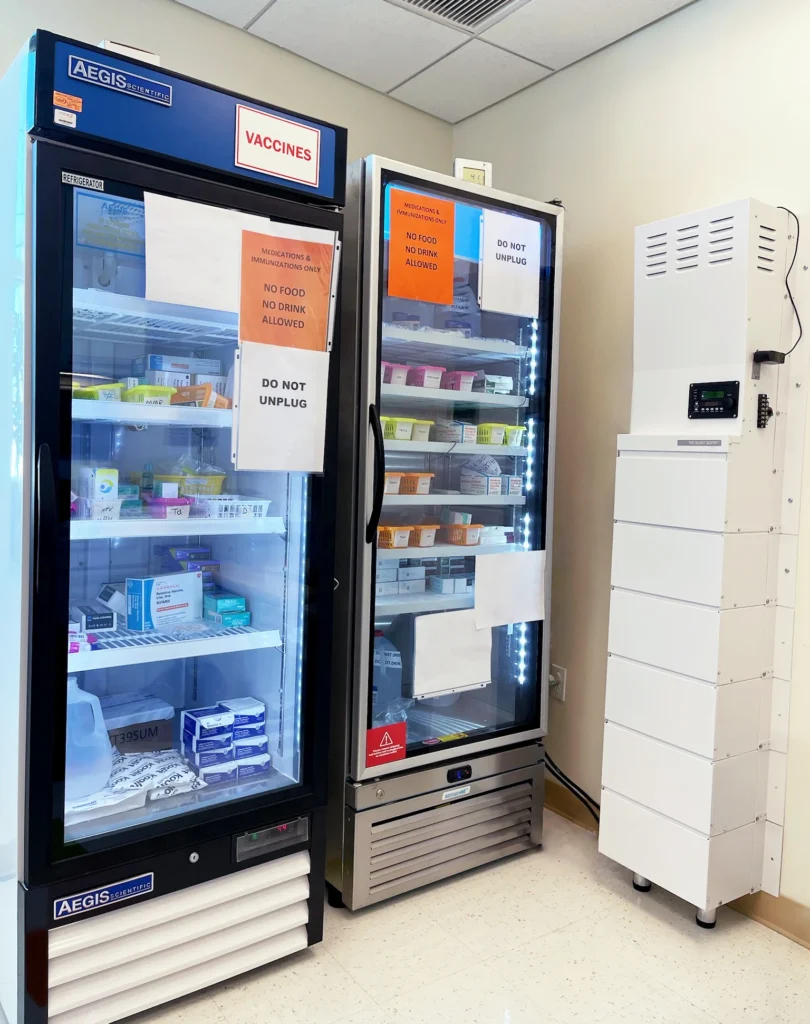
But how is that possible? Aren’t generators usually bulky, large, and difficult to fit into limited areas?
The answer is simple: we build upward, not outward.
EverSafe’s battery generators have a cabinet-style build that easily integrates into any healthcare facility. Their polished, contemporary design allows them to blend smoothly into exam rooms, procedure rooms, or medical supply areas — no need to always hide them away in utility closets. Moreover, since they produce very little heat and noise, these units stay unobtrusive until you need them.
You have options for wall-mounting, free-standing, or mobile configurations, meaning you can install them in almost any space. And with over 30 years of experience, our installation and support teams are experts at finding the right fit — including creating custom features when necessary.
Important Installation Restrictions
Because of their weight and safety considerations, EverSafe does not recommend installing battery backup units inside ceilings or attaching them to ceilings — they are not rated for those placements and are not designed for that purpose.
Do I Need to Keep My Generators Close to My Appliances?
There are three system configurations — Standalone, Hardwired, and Mobile — each with specific installation needs and advantages. While all offer flexibility, their ideal placement depends on the type.
Where Can I Mount a Standalone System?
Standalone systems must be located either in the same room or an adjacent room to the appliances being powered. But they don’t have to be shoved into a corner; their compact form allows mounting above or between cabinets or counters in tight spots. Standalone units can also be built into walls, with wiring run through conduit or a “pigtail” behind drywall.
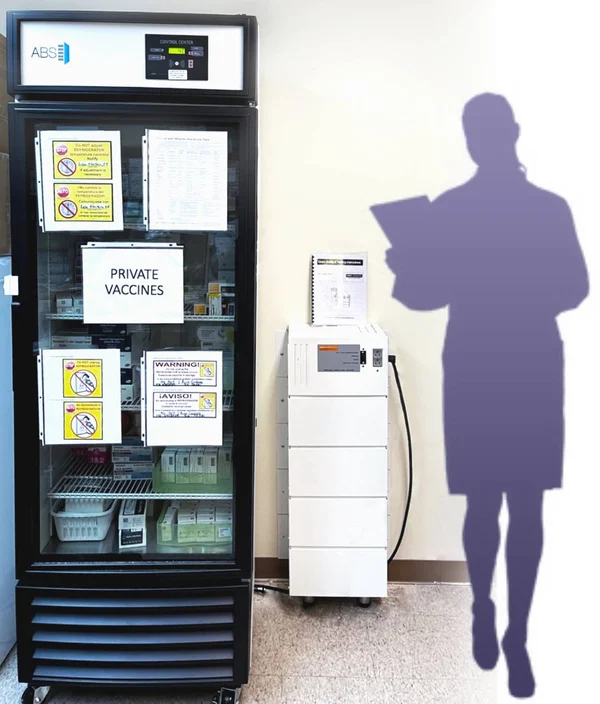
If placed in an adjacent room, power connections traverse the wall or use a pigtail to reach the appliance, while the unit itself remains either free-standing or wall-mounted in that nearby space.
Because of all these mounting possibilities, Standalone systems are especially well suited for growing facilities or ones that need adaptability.
Where Can I Mount a Hardwired System?
Hardwired systems, like Standalone ones, are wall-mounted, but they differ in being wired directly into the facility’s electrical system. They can be placed almost anywhere and can supply power to outlets in different rooms. A common location is near the main circuit breaker.
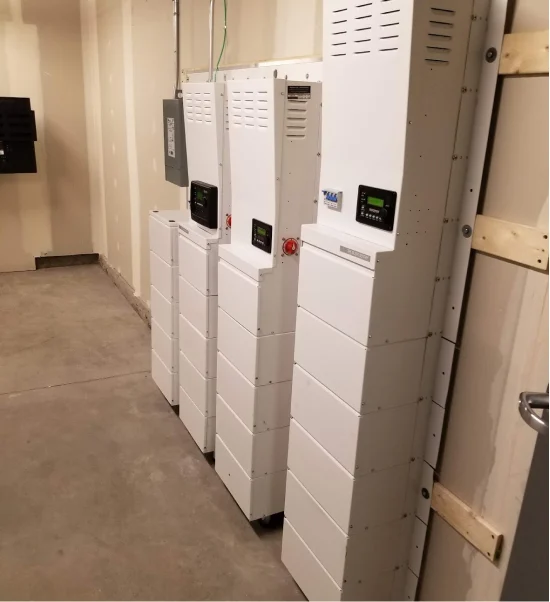
For these installations, working with a licensed electrician or general contractor is strongly advised. They can identify a suitable location, estimate costs, and ensure compliance with local regulations and any required permits.
Where Can I Use a Mobile System?
Mobile systems come with locking casters so they can deliver backup power wherever needed in your facility. When they’re not in use or are being charged, they simply need to be near a power outlet.
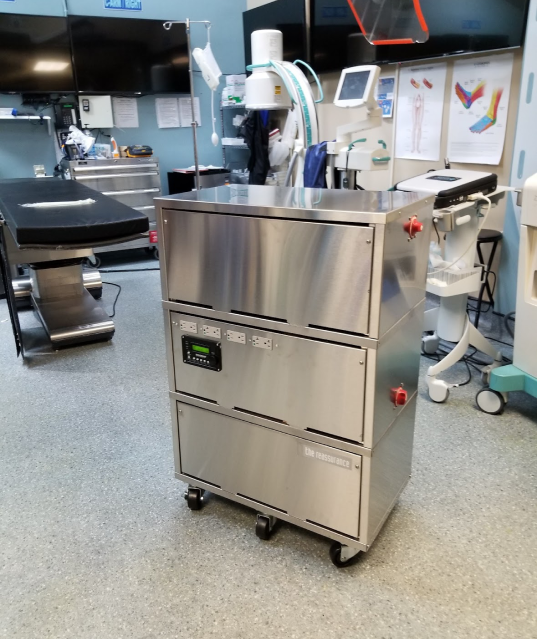
However, in contrast to Standalone or Hardwired units, mobile units generally occupy more floor area. To make the most of their footprint, many include a stainless-steel top that doubles as usable counter space.
Also, “mobile” doesn’t always mean lightweight — larger mobile units may require multiple people to move them safely, even with smooth-rolling casters designed to avoid damaging floors.
Finding Out What You’ll Pay for Backup Power
Every EverSafe system is custom tailored to each customer’s power needs and layout preferences. To get the right fit, contact EverSafe’s experts to discuss what system works best for you, including any alarm system options.