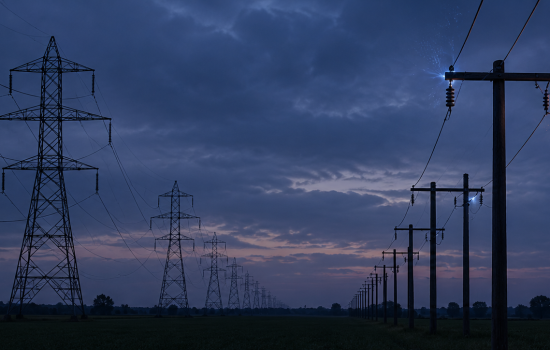
The recently released 2026 Summer Reliability Assessment by the North American Electric Reliability Corporation highlights growing challenges as electricity demand increases and extreme weather places greater stress on the electric grid. While the system is expected to meet normal summer demand, NERC identifies New England, the Pacific Northwest, and the Canadian province of Saskatchewan as regions facing “elevated risk” during once-in-a-decade extreme load conditions, where available resources could become strained by unusually high demand.
NERC notes that maintaining this level of performance will become more challenging as grid strain increases. For facility owners, engineers, and operations teams, that means reliability planning should account for the possibility of utility interruptions, even in regions where the grid generally performs well.
Preventing Operational Disruptions During Outages
A reliable grid does not eliminate the risk of localized outages or extended restoration times during extreme conditions. Organizations should evaluate how critical equipment will remain powered during an interruption, particularly during periods of peak demand.
Even a brief loss of utility power can halt production, interrupt critical communications, damage sensitive equipment, or result in product or data loss. Manufacturing facilities, data centers, water and wastewater systems, military communications sites, and other mission-critical operations often have little tolerance for these disruptions.
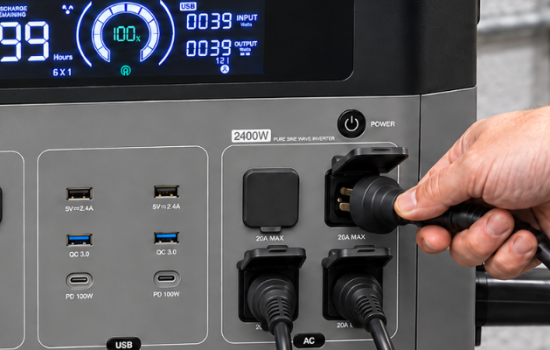
Battery backup systems provide immediate power when utility service is interrupted, allowing critical loads to continue operating without startup delays. When properly sized for the application, they can help maintain operations while utility service is restored or a longer-duration backup source assumes the load.
Planning for Higher Grid Stress Predicted in the Summer Reliability Assessment
NERC’s findings do not suggest widespread reliability problems. They do, however, reinforce that maintaining grid reliability is becoming more complex as electricity demand grows and operating conditions evolve. For organizations located in regions identified as having elevated risk, or for any facility where downtime carries operational or financial consequences, battery backup should be evaluated as part of an overall power continuity strategy. Runtime requirements, surge demand, transfer characteristics, and the behavior of the connected equipment should all be considered when selecting a system.
EverSafe Power designs application-specific battery backup systems that support continued operation during utility outages, helping facilities protect critical equipment and reduce operational disruption when grid conditions become more demanding. Contact us today for a no-cost, no-obligation assessment to determine your facility’s backup power needs.
Source: North American Electric Reliability Corporation, 2026 Summer Reliability Assessment.