Recommended Vaccine Temperature Ranges
The Centers for Disease Control and Prevention (CDC) mandates that vaccine refrigerators maintain temperatures between 2 °C and 6 °C (36 °F to 46 °F), while vaccine freezers should stay between –50 °C and –15 °C (–58 °F to +5 °F). Always consult the vaccine manufacturer’s package insert for any additional guidance. Temperatures should be checked every time the unit is accessed, and daily minimum and maximum values should be logged.
Adhering to these temperature and storage guidelines outlined in the CDC’s Vaccine Storage and Handling Toolkit is essential—failure to do so may result in compromised vaccine potency, wasted inventory, and unprotected patients.
Tips for Maintaining Ideal Vaccine Temperatures
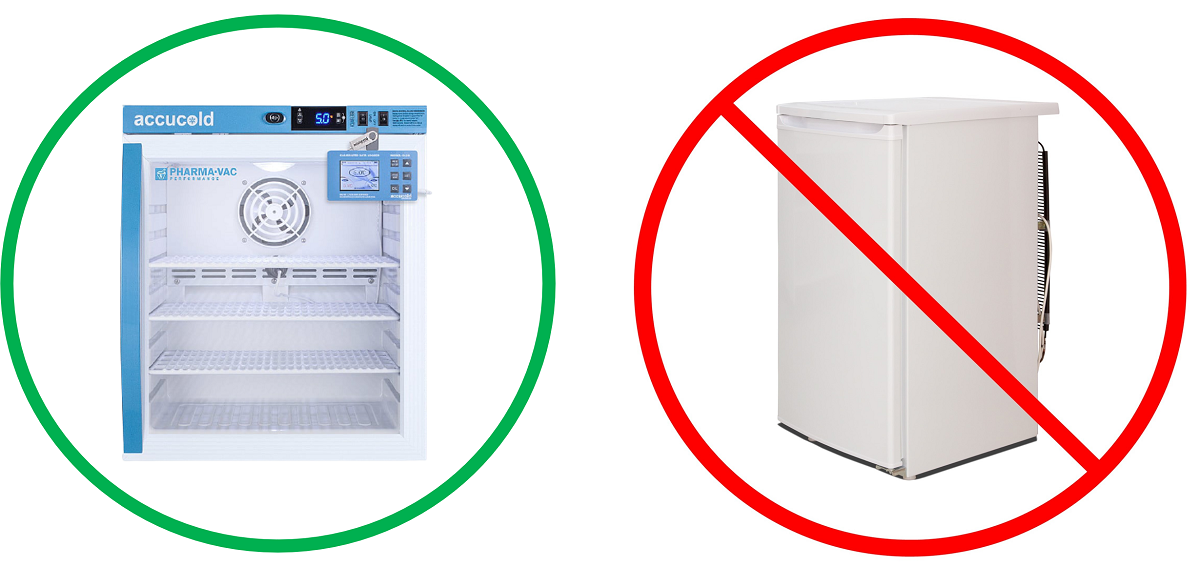
1) Use Purpose-Built or Pharmaceutical‑Grade Refrigerators
These units are designed specifically for vaccine storage, offering precise temperature control. They often include features like open‑door alarms and forced‑air circulation to minimize temperature variation.
2) Monitor with a Digital Data Logger (DDL)
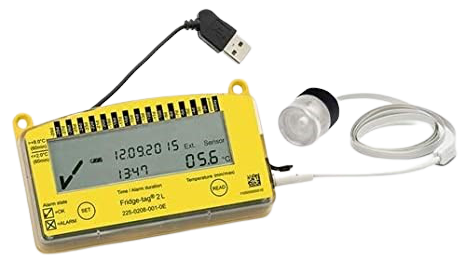
The CDC recommends utilizing a DDL to track temperatures over time. A compliant DDL should include:
- A buffered temperature probe (more accurate than air thermometers)
- Alerts for out‑of‑range temperatures
- Low‑battery warning
- Displays for current, minimum, and maximum readings
- Accuracy within ±0.5 °C (±1 °F)
- Programmable logging intervals (at least every 30 minutes)
- A valid Calibration Certificate
Keep data for at least three years to spot recurring problems, and check the DDL each time the unit is accessed.
3) Have a Protocol for Temperature Excursions
If temperatures fall outside specified ranges (per vaccine insert), label affected vaccines as “DO NOT USE”, separate them, and document:
- Date and time of excursion
- Storage-unit and room temperatures
- Duration of the breach (DDL data helps)
- Number and type of vaccines affected
- Any equipment issues or other relevant notes
Afterward, restore proper temperature settings, ensure the DDL is centrally placed among vaccines, and consult your immunization program or the manufacturer for advice—this may include revaccination protocols.
4) Implement an Emergency Transport Plan
In the event of appliance failure—even with backup power—plan to transfer vaccines using a CDC-approved container. Confirm availability at the alternative site and monitor temperatures with a proper device during transport.
5) Maintain Backup Power Solutions
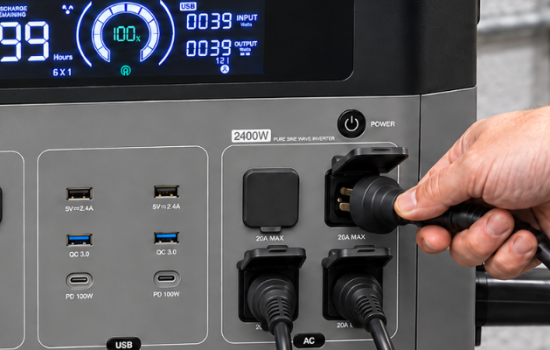
Power outages can render your vaccine stock ineffective within a matter of hours. To safeguard it, equip your facility with a battery backup system or a fuel‑powered generator, and test these regularly (weekly/monthly). Follow manufacturer maintenance guidance, and include an outage alert system to monitor active runtime.
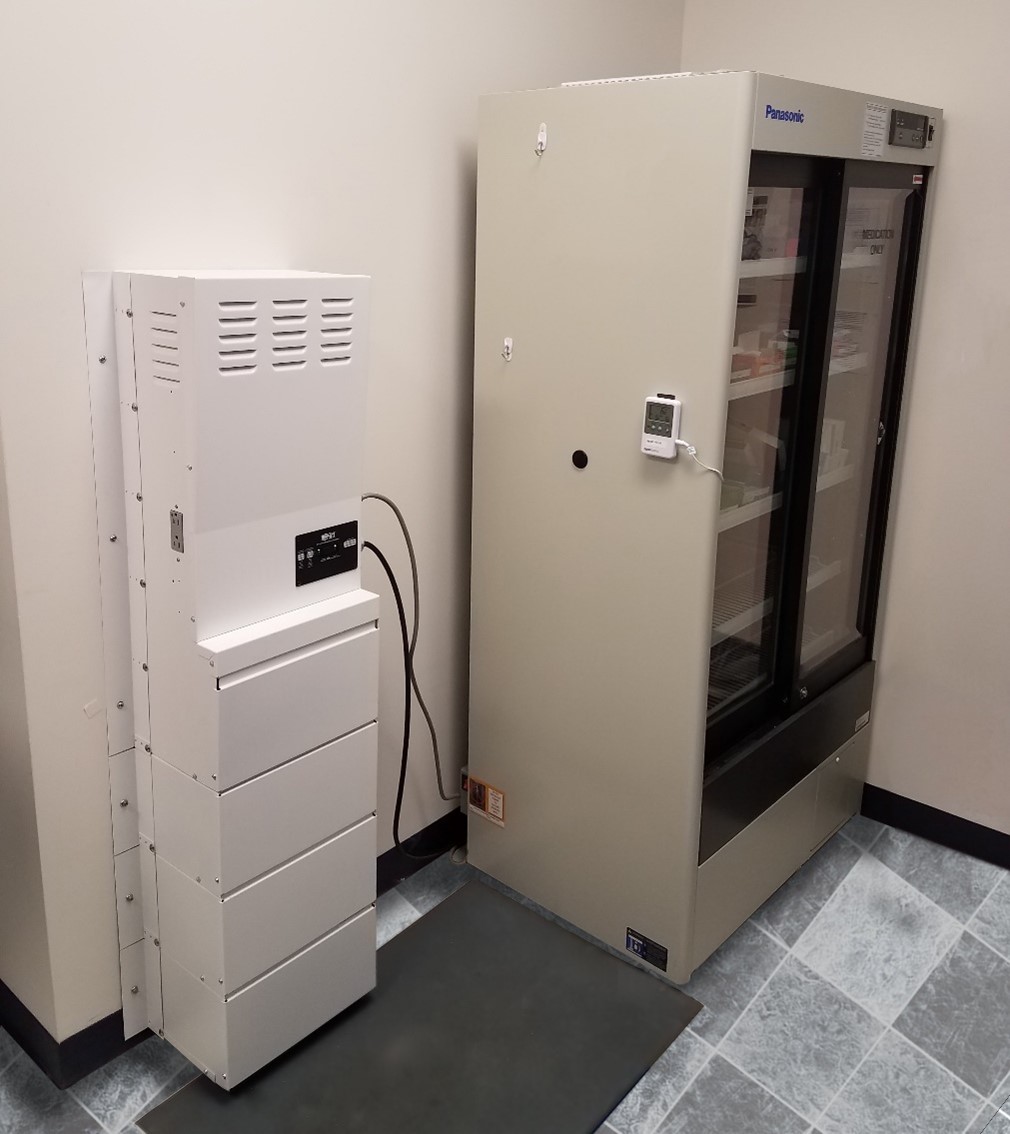
This overview captures the core CDC guidelines for preserving vaccine temperature integrity. For full details, refer to the CDC’s Vaccine Storage and Handling Toolkit. At EverSafe, we’re always ready to support you with vaccine storage challenges—reach out anytime.
Learn More About Battery Backup Power
To answer even more of your questions and find additional solutions to problems that could affect your medical facility or laboratory, check out these other articles from the EverSafe blog and the EverSafe Learning Center