Although a typical uninterruptible power supply (UPS) found online or in big-box stores may seem similar to a professional battery backup system, significant differences exist in battery type, capacity, power delivery, and overall value. Here’s how they compare:
Advantages and Disadvantages of Consumer‑Grade UPS
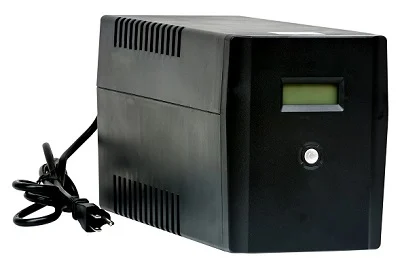
Inexpensive UPS units—sometimes labeled as “standby generators”—from retail outlets may appear budget-friendly, but they’re often inadequate for critical applications. These consumer-grade UPS models may lack sufficient capacity to support essential devices during an outage.
Even the most powerful of these widely available UPS units might struggle to start appliances and typically provide power only for a brief period. In contrast, entry-level battery backup units from EverSafe deliver longer, more reliable runtimes for the same investment.
Pros
- Affordable upfront cost
- Easy to find
- Compact design
Cons
- Insufficient power output to start appliances in emergencies
- Very limited battery capacity—unable to supply power for meaningful durations
- Not designed for medical-grade or critical devices—better suited for basic electronics like phones or laptops
Advantages and Disadvantages of Battery Backup Systems
Consumer-grade UPS units are generally fit for low-stakes use—like powering laptops or media players—but not for more critical equipment.
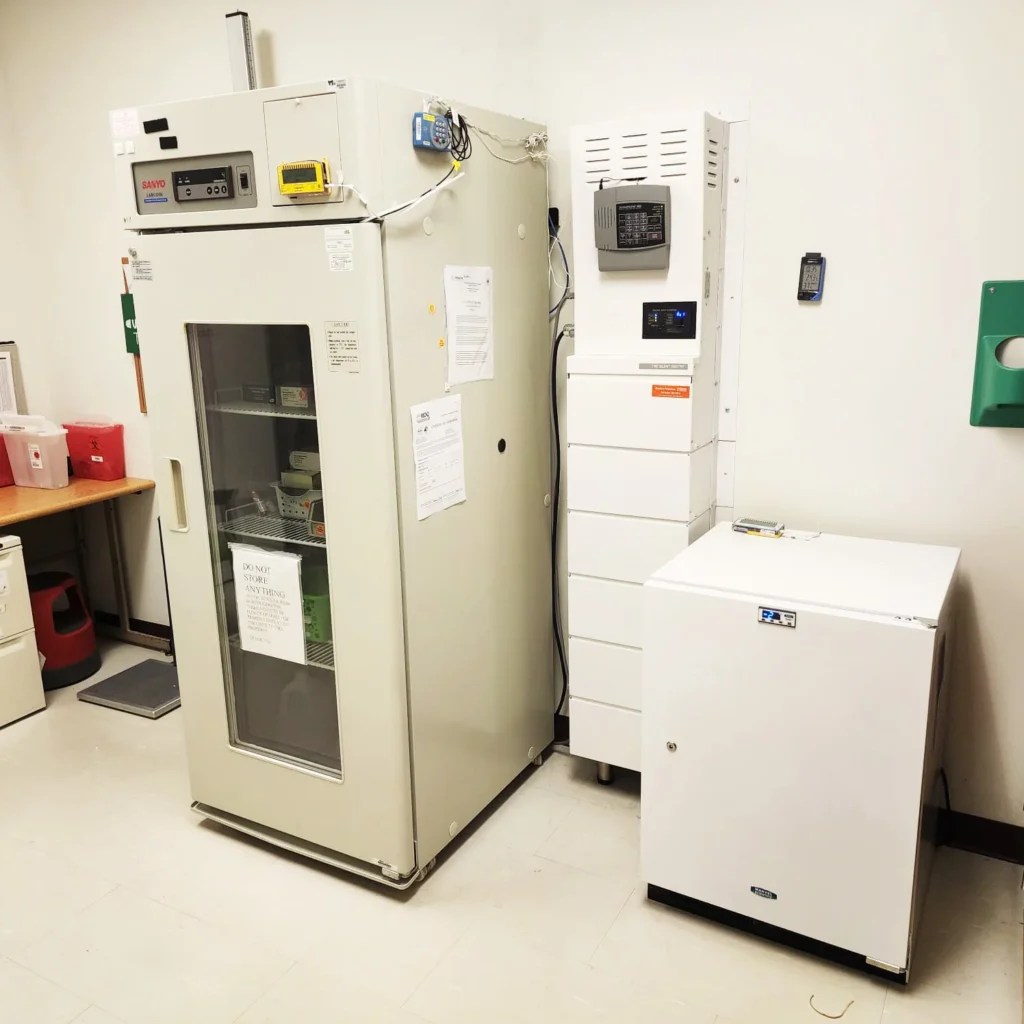
Battery backup systems are gaining popularity in healthcare, laboratories, and other fields where uninterrupted power is vital. Although their initial cost is higher, they offer superior value both short- and long-term.
These systems often operate plug-and-play or integrate directly with facility wiring, requiring no elaborate installation or permits. They’re clean, odorless, and safe for indoor use—unlike fuel-powered backups.
Because battery backup systems have no moving parts, maintenance needs are minimal. They recharge using utility power and switch over instantly during outages—unlike generators, which may delay power for up to 15 minutes before starting.
The primary ongoing expense is battery replacement—typically required every four years and estimated at around 20% of the original cost.
Battery backup capacity can be expanded as needed, though high-capacity setups (above approximately 60 kWh) can become bulky and expensive—but still benefit from instant power delivery and long-term reliability.
Pros
- Offers plug-and-play or integrated configurations
- Numerous form factors and installation options available
- No emission of fumes
- Installation is low-cost
- Delivers power immediately when needed
- Low recurring expenses
Cons
- Higher upfront price compared to consumer models
- Batteries degrade and require replacement every ~4 years (~20‑25% of initial cost)
- Large systems (60 kWh+) may be physically large and costly to implement
Summary: Choosing the Right Solution
- For critical environments—like medical settings or labs—where power interruptions affect care quality, a medical‑grade battery backup system from EverSafe is clearly the superior and safer option.
- For less critical needs—such as workstations or administrative devices with modest power demands—a consumer UPS may suffice due to its compactness and affordability.