Meteorologists are anticipating that Tropical Storm Bertha will make landfall along the Louisiana coast this week, bringing tropical storm-force winds, heavy rainfall, coastal flooding, and potential scattered power outages to portions of the Gulf Coast. Although the storm has not developed into a hurricane, it demonstrates an important reality: here in North America, we are at the beginning of the hurricane season this year, and even relatively modest tropical systems can leave businesses without power for hours or longer as utilities assess damage and restore service.
Bertha developed in the Gulf of Mexico before tracking westward along the northern Gulf Coast with sustained winds of approximately 50 to 60 mph. Tropical Storm Warnings were issued for portions of Louisiana, Mississippi, Alabama, and the Florida Panhandle, while forecasters warned of heavy rainfall, localized flash flooding, and storm surge in low-lying coastal areas.
Tropical Storms Can Still Cause Damage
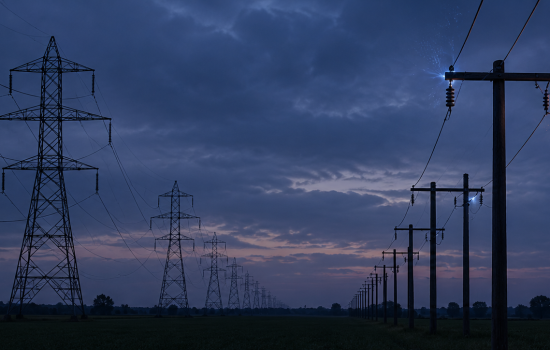
While Bertha hasn’t grown past a tropical storm, it’s still expected to create hazards capable of interrupting utility service. Strong winds can bring down trees and power lines, flooding can damage electrical infrastructure, and lightning can trigger protective equipment to disconnect portions of the grid. Even after severe weather passes, restoration efforts may take hours or days depending on the extent of the damage and accessibility of affected areas.
Predictions for the 2026 Atlantic Hurricane Season
The storm also arrives near the beginning of the most active period of Atlantic hurricane season. Historically, tropical activity increases significantly through August and September, making this an ideal time for organizations to evaluate their preparedness before more powerful storms have the opportunity to develop.
How You Can Prepare Your Facility for Tropical Storm Bertha and Beyond
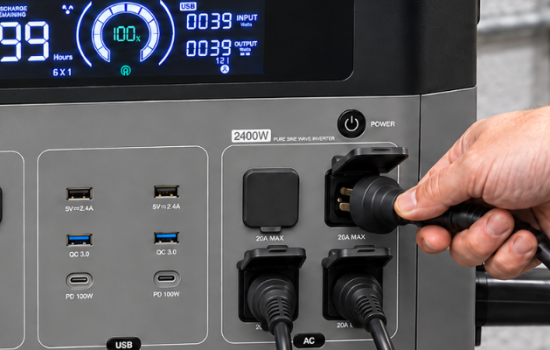
For organizations that rely on continuous electrical service, storms like Bertha are a timely reminder to review backup power plans before the next weather event arrives. Data centers, manufacturing facilities, telecommunications networks, commercial buildings, security systems, and other mission-critical operations should confirm that battery backup power systems have been tested, verify that available runtime aligns with operational requirements, inspect battery health, and ensure maintenance schedules are current.
Organizations should also review emergency response procedures, identify any recently added critical loads, and verify that backup power capacity still matches today’s operational needs. Preparing before the next outage helps reduce downtime, protect critical equipment, and maintain business continuity when utility power becomes unavailable.