What Is Vaccine Storage Standard NSF 456?
The NSF 456 standard for vaccine storage was developed collaboratively by the CDC and NSF International. Though not legally mandated, this standard is instrumental in ensuring vaccines and medications are maintained at proper temperatures, helping safeguard their effectiveness.
While healthcare facilities aren’t required to purchase new refrigerators or freezers, selecting those that comply with NSF 456 can significantly cut costs by reducing the loss of vaccine doses.
Temperature Thresholds for Testing
During validation testing for compliance:
Refrigerators
- During door-opening tests, the temperature probe must remain between 2 °C (35.6 °F) and 8 °C (46.4 °F).
- After a three-minute door-open test, the unit must recover to 5 °C (41 °F) ± 3 °C within that recovery period.
Freezers
- During door-opening tests, the probe must stay between −50 °C (−58 °F) and −15 °C (5 °F).
- After one minute of door opening, the probe’s temperature must not rise above −15 °C (5 °F).
The Role of Backup Power
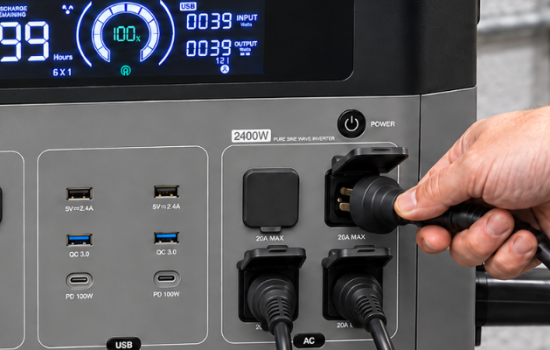
Although battery backup isn’t mandatory, having one is highly advantageous during power interruptions. It helps the unit continue operating at safe temperatures, protecting your vaccines, medications, and other sensitive items. Investing in a backup power system is a practical and cost-effective alternative to replacing spoiled biomedical stock.